Data Breaches coverage from Circuit Observer holds 16 articles, 16 of them reference guides. The newest was published on October 14, 2026. New stories are added as soon as they are confirmed, from more than 150 sources checked as often as every 45 seconds. Each story lists its sources. Primary sources we follow for this section include Have I Been Pwned and NIST Cybersecurity Framework.
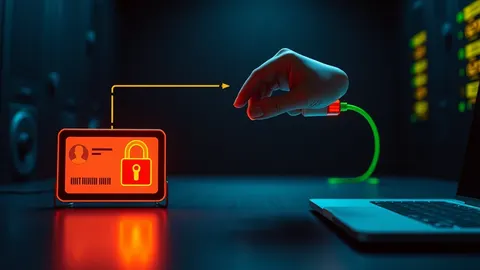
Access grants entry to systems while use dictates action within them, creating distinct legal thresholds and forensic signatures that determine liability and response scope.
Most organizations fail because they protect data based on labels rather than the actual context in which that data exists and how it combines with other fields.
Identity theft protection for employees fails when organizations treat personal credit monitoring as a substitute for strict access controls and isolated network segments.
Notification deadlines trigger based on risk assessment, not just detection, forcing organizations to report incidents before full forensic analysis is complete.
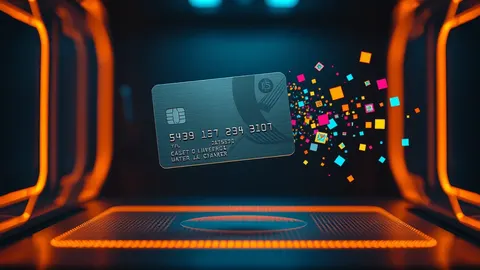
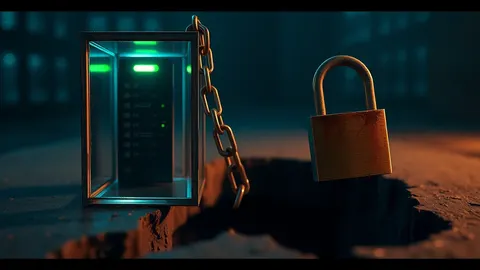
Tokenization removes sensitive data from your environment entirely, leaving behind useless tokens that attackers cannot reverse without access to the vault.
Digital forensics does not stop an attack; it reconstructs the timeline of events to prove liability, scope, and root cause after the breach is contained.
Tokenization replaces sensitive data with random strings that hold no mathematical relationship to the original value, ensuring that even if the database is stolen, the data remains useless.
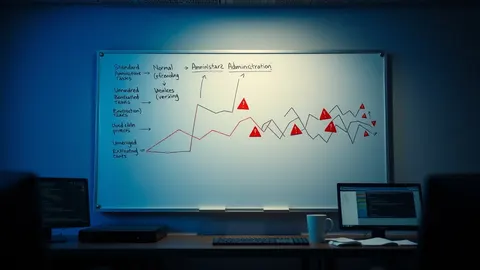
Credential leaks often hide in plain sight within normal authentication logs, requiring you to correlate disparate signals rather than rely on single-point alerts.
The 72-hour clock starts when you know the breach, not when you find the attacker, forcing teams to prioritize containment over full forensic analysis.
Stop treating access as a one-time event. Implement automated lifecycle controls that revoke privileges the moment they are no longer needed, reducing your attack surface permanently.