Key points
- DSX POD modular units reduce AI infrastructure deployment timelines from months to weeks.
- OpenShell Reference Architecture provides security controls for autonomous AI agents.
- New cooling and power software targets 30% less energy use for AI token generation.
Nvidia introduced factory-built modular data centers and new security frameworks for AI agents during its GTC conference in Berlin this week.
How it unfolded
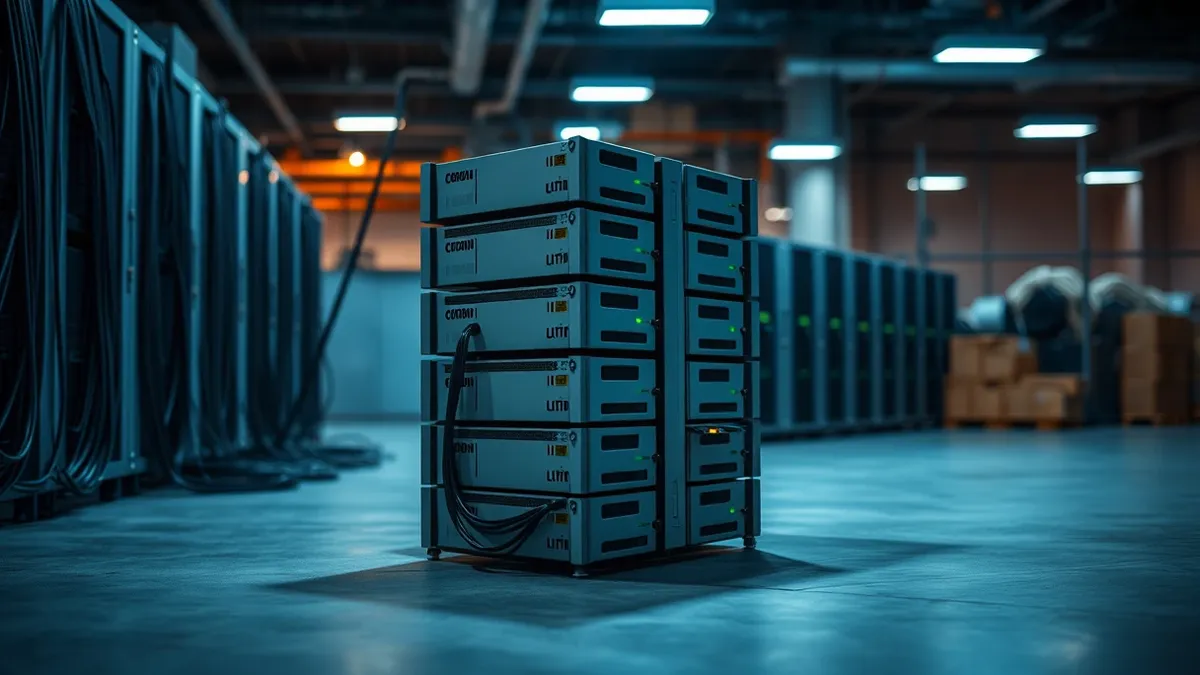
- Nvidia unveiled the DSX POD, a modular approach that packages compute and infrastructure into integrated systems to accelerate deployment.
- The company stated that this turnkey solution can reduce deployment timelines from months to weeks, allowing faster revenue generation.
- Nvidia announced the OpenShell Reference Architecture, combining hardware and software to build, monitor, and constrain autonomous AI agents.
Who is affected
System administrators and infrastructure teams deploying large-scale AI workloads will encounter these new modular options. Jensen Huang, founder and CEO of Nvidia, emphasized that value is created when production begins, not when construction finishes. The DSX POD aims to bring factory precision to infrastructure construction, helping customers scale capacity and bring production online faster. This shift moves away from building every deployment from scratch.
The OpenShell announcement targets teams managing autonomous agents across enterprise and edge systems. According to Network World, the architecture combines Vera Rubin compute, Vera CPUs, and BlueField-4 data processing units with security software. This setup allows organizations to enforce security policies as agents execute tasks. The reference architecture is available now for industrial-scale agent development and operations.
What happens next
Infrastructure planners can evaluate the DSX reference architecture for its potential to lower resource consumption. Nvidia’s DSX MaxLPS software claims to generate the same number of AI tokens using up to 30% less power. Additionally, the company estimates that a 2-gigawatt deployment using its dry-cooling approach could save 54 million liters of cooling water per day compared with conventional cooling-tower systems. These metrics address growing concerns about energy and water usage in data centers.
Nvidia also expanded its Isaac robotics platform with new simulation tools, a reference humanoid, and datasets. These updates aim to move robotics closer to commercial deployment. As Circuit Observer reported on 2026-10-21, Nvidia committed $10 billion to European AI infrastructure at GTC Berlin, highlighting partnerships and foundational layers for industrial-scale computing. These new modular and security offerings align with that broader investment strategy.
The background in plain language
Modular data centers are pre-built units that arrive ready to connect, unlike traditional facilities constructed on-site piece by piece. This approach speeds up setup and reduces errors. Autonomous AI agents are software programs that perform tasks independently, which requires strict oversight to prevent unintended actions. Security frameworks for these agents enforce rules during execution, ensuring they operate within defined boundaries. Teams usually assess these systems for compliance and performance before full deployment.
What to do and how to stay safe: Nvidia
- Review current data center deployment timelines to see if modular options could reduce construction delays.
- Evaluate existing security policies for autonomous agents to ensure they align with new reference architectures.
- Assess power and water consumption metrics against new efficiency claims from hardware vendors.
- Monitor vendor announcements for updates on software compatibility with existing infrastructure components.
Step-by-step guide: Mobile Device Security for Small Business: Control Without Cost
General security guidance from the Circuit Observer newsroom. It is not confirmed advice from the organisations named in this story.
Frequently asked questions
How much faster is the DSX POD deployment compared to traditional methods?
Nvidia states that the DSX POD can reduce deployment timelines from months to weeks.
What hardware components are included in the OpenShell Reference Architecture?
It combines Vera Rubin compute, Vera CPUs, and BlueField-4 data processing units with security software.
Can the new cooling system save water?
Nvidia estimates a 2-gigawatt deployment using dry cooling could save 54 million liters of water per day.