Key points
- Microsoft rates CVE-2026-70147 as critical with a CVSS score of 9.8
- The vulnerability involves a heap-based buffer overflow in the driver software
- Attackers can exploit this flaw over a network to run unauthorized code
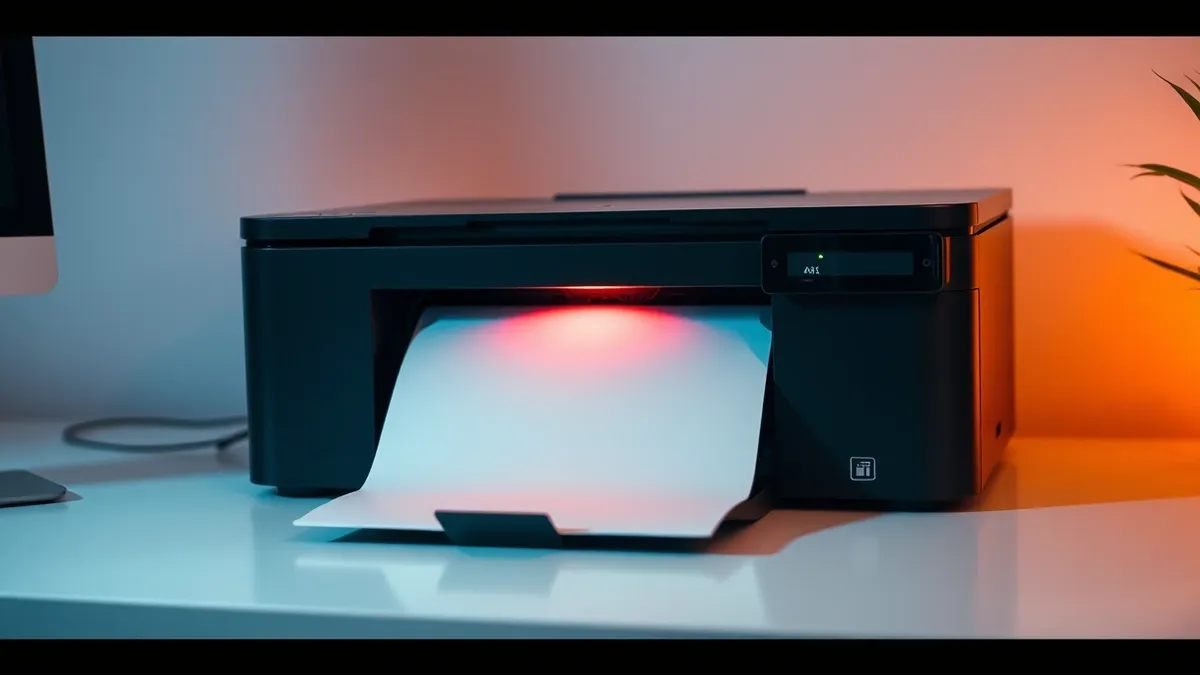
Microsoft has identified a critical security vulnerability in its PostScript Printer Driver that allows attackers to execute code remotely. This high-severity issue, tracked as CVE-2026-70147, stems from a flaw in how the driver handles data. According to the National Vulnerability Database, the problem is a heap-based buffer overflow. This type of error occurs when a program writes more data to a memory space than it can hold, potentially allowing an attacker to overwrite adjacent memory and hijack the system’s execution flow.
How it unfolded
- Microsoft published an advisory detailing the remote code execution vulnerability in the PostScript Printer Driver.
- The National Vulnerability Database recorded the flaw as CVE-2026-70147 with a maximum severity rating.
- Technical descriptions confirmed the issue involves a heap-based buffer overflow exploitable over networks.
Who is affected
Any system running the affected version of the Microsoft PostScript Printer Driver is potentially at risk. The vulnerability allows an unauthorized attacker to execute code over a network. This means that if a malicious actor can send specially crafted data to a printer service or a computer printing via this driver, they may gain control of the system. The critical CVSS score of 9.8 indicates that the exploit is highly severe and requires immediate attention from administrators managing these assets.
What happens next
System administrators should prioritize assessing their environments for the presence of the affected driver. Because the flaw allows remote execution, attackers do not need physical access to the target machine. They only need network access to send the malicious payload. Organizations should monitor for unusual printing activity or unexpected process executions that could indicate an exploit attempt. No specific patch timeline was included in the provided source material, but the severity suggests urgent action is required to mitigate the risk of remote code execution.
The background in plain language
Teams usually treat high-severity driver flaws with urgency because drivers operate with high system privileges. A buffer overflow happens when software receives more data than expected, spilling into other memory areas. In this case, the heap overflow allows attackers to insert and run their own code. Understanding this helps explain why a printer driver, often seen as low-risk, can become a major entry point for network-based attacks if not properly secured.
Background: Remote code execution vulnerabilities
Monitor for unexpected child processes, sudden spikes in outbound network traffic, and anomalous file creation. Combine static analysis with runtime behavior monitoring to catch execution attempts before they establish persistence or exfiltrate data.
Read the full guide: Detect Remote Code Execution: Signals, Tools, and Blind Spots
What to do and how to stay safe: Microsoft
- Audit all systems to identify which ones use the Microsoft PostScript Printer Driver.
- Restrict network access to printing services to reduce exposure to remote attackers.
- Monitor system logs for unexpected code execution or unusual printing behavior.
- Prepare to apply updates immediately once the vendor releases a confirmed fix.
General security guidance from the Circuit Observer newsroom. It is not confirmed advice from the organisations named in this story.
Frequently asked questions
What is the CVSS score for CVE-2026-70147?
The National Vulnerability Database rates CVE-2026-70147 with a CVSS score of 9.8, which is considered critical.
Can attackers exploit this vulnerability without being on the same network?
Yes, the advisory states that an unauthorized attacker can execute code over a network, indicating remote exploitability.
What specific type of software flaw is causing this issue?
The vulnerability is caused by a heap-based buffer overflow in the Microsoft PostScript Printer Driver, as noted by Microsoft and the NVD.