Key points
- Participants underwent MRI scanning while meditating both with and without psilocybin.
- The study reveals significant shifts in brain connectivity patterns under the influence of the psychedelic substance.
- Researchers used this controlled environment to observe real-time neural changes during a meditative state.
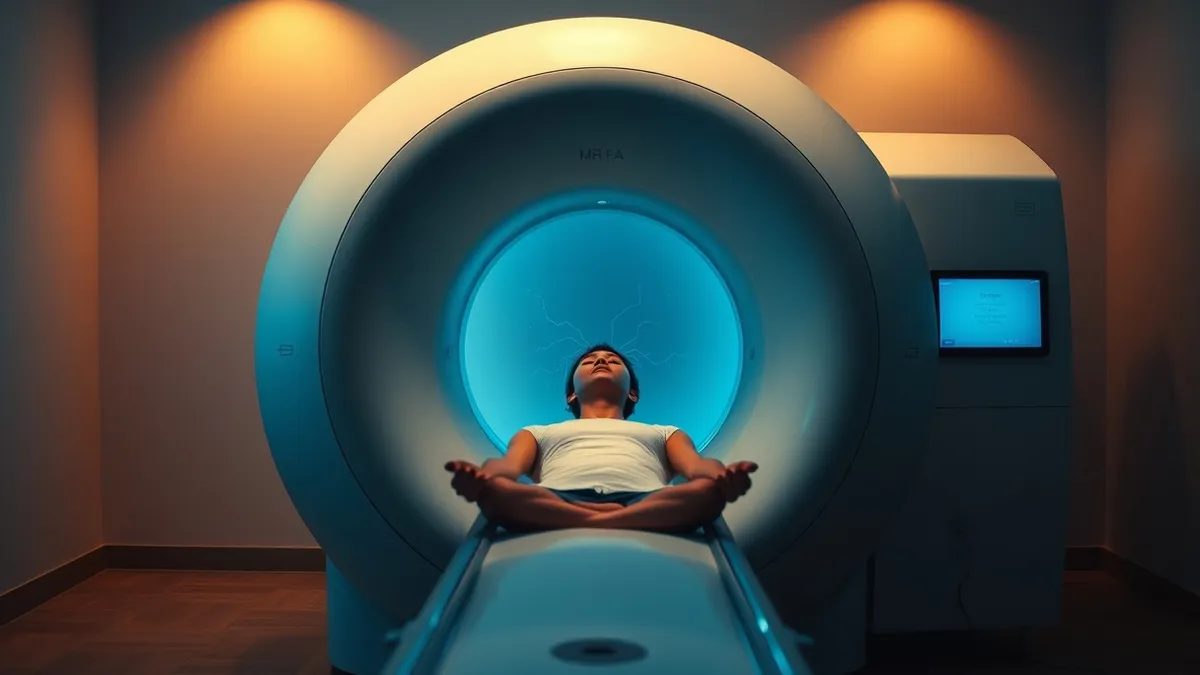
A new study published by Ars Technica demonstrates that psilocybin fundamentally alters brain connectivity patterns when individuals are meditating. Researchers conducted this experiment by placing participants inside an MRI tube to monitor their neural activity. The study compared brain scans taken while participants meditated without any substances against scans taken while they were under the influence of psilocybin. This controlled setting allowed scientists to isolate the specific effects of the psychedelic on the meditative mind.
How it unfolded
- Researchers recruited participants to undergo functional MRI scanning while engaging in meditation.
- Participants completed meditation sessions both in a sober state and after ingesting psilocybin.
- Scientists analyzed the resulting data to map changes in brain connectivity during the psychedelic experience.
Who is affected
This research primarily impacts the scientific community studying consciousness and the neurological effects of psychedelics. Neuroscientists and psychologists interested in the therapeutic potential of psilocybin will find these connectivity maps relevant. The findings also interest meditation practitioners and researchers exploring the intersection of altered states of consciousness and traditional mindfulness practices. The study provides empirical data on how the brain processes information differently under the influence of psychedelics compared to natural meditative states.
What happens next
The publication of these findings by Ars Technica marks a step forward in understanding the neurobiological mechanisms of psychedelics. Future research may build on this methodology to explore other substances or meditative techniques. Clinicians may eventually use these connectivity patterns to identify biomarkers for mental health treatment. However, the immediate result is a clearer scientific picture of what happens inside the brain during psychedelic-assisted meditation.
What to do and how to stay safe: psilocybin
- Review the original Ars Technica report to understand the specific methodology used in the MRI study.
- Consult clinical guidelines if considering psychedelic-assisted therapy, as self-administration carries significant risks.
- Monitor peer-reviewed journals for follow-up studies that validate these initial connectivity findings.
- Ensure any meditation practice involving substances is conducted in a controlled, supervised clinical environment.
Step-by-step guide: Mobile Device Security for Small Business: Control Without Cost
General security guidance from the Circuit Observer newsroom. It is not confirmed advice from the organisations named in this story.
Frequently asked questions
What did the study show about brain activity?
The study showed that psilocybin alters brain connectivity patterns during meditation, as observed via MRI scans.
Did participants meditate sober?
Yes, participants meditated inside an MRI tube both with and without psilocybin to allow for comparison.
Who published this information?
Ars Technica reported on the study, highlighting the transformed brain patterns observed during the experiment.