Key points
- The all-electric iX5 features a 144 kWh battery and up to 570 horsepower.
- Gasoline and hybrid X5 models use the existing CLAR platform.
- Production will occur at the Spartanburg, South Carolina facility.
BMW is launching the 2027 X5 lineup with multiple powertrain options, including a new electric iX5 and several combustion-engine variants, according to Ars Technica. The automaker aims to serve customers who are not ready to switch entirely to electric vehicles. This strategy allows buyers to choose between pure electric, mild hybrid, plug-in hybrid and traditional gasoline engines within the same model family. The announcement highlights a dual-track approach to vehicle development for the upcoming model year.
How it unfolded
- BMW first demonstrated its Neue Klasse design with the iX3 model, showcasing sixth-generation electric powertrain technology and reimagined interior components.
- The company decided to port much of that new technology to the larger X5 line while maintaining support for non-electric powertrains.
- BMW confirmed the iX5 will use updated cylindrical battery cells that offer higher energy density than the units found in the smaller iX3 SUV.
Who is affected
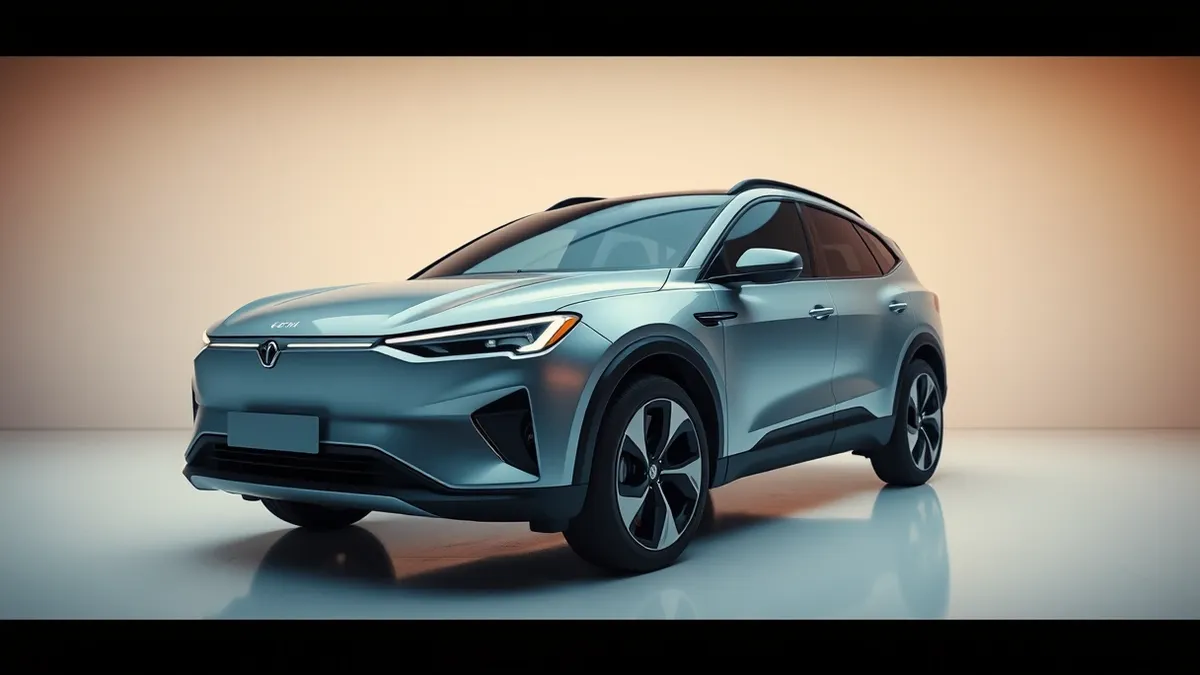
The iX5 is considered the pick of the bunch by the reporter, featuring a combined output of 570 horsepower and 593 pound-feet of torque, according to Ars Technica. It utilizes an asynchronous motor for the front axle and an electrically excited synchronous motor for the rear drive unit. These motor types are selected for their lower energy losses compared to permanent magnet motors. The vehicle contains a 144 kilowatt-hour usable battery pack made of new 120-millimeter cylindrical cells.
Conventional buyers can choose the X5 40 xDrive, which uses a 3.0-liter turbocharged inline six-cylinder engine producing 394 horsepower and 428 pound-feet of torque. This model includes a 48-volt mild hybrid system that adds torque when necessary and operates under the Miller cycle for improved efficiency. Drivers can expect approximately 26 miles per gallon and a full-to-empty range of 569 miles with this gasoline-powered configuration.
A plug-in hybrid version, the X5 50e xDrive, will also be available at the Spartanburg, South Carolina production line. This 400-volt model features a 26.5 kilowatt-hour battery pack and provides about 44 miles of electric-only range. BMW has also stated that hydrogen fuel cell technology will eventually be integrated into the new-generation X5 lineup, expanding the range of alternative power sources for future buyers.
What happens next
The production of these vehicles will take place at BMW’s facility in Spartanburg, South Carolina. The plug-in hybrid and gasoline models will utilize the established CLAR platform, which is already used in vehicles like the 7 Series and the new gasoline 3 Series. The electric iX5 will have much of the Neue Klasse technology ported over, including the updated battery cells that increase energy density by 30 percent over the smaller SUV’s pack.
The background in plain language
Teams usually evaluate vehicle platforms to determine which powertrain types can be supported. A platform-agnostic approach allows manufacturers to build electric, hybrid and gasoline cars on the same assembly line. This reduces infrastructure costs and simplifies logistics. Buyers should understand that electric vehicles rely on battery energy density for range, while hybrids combine internal combustion engines with electric motors for efficiency. Checking whether a vehicle uses permanent magnet or synchronous motors can indicate its efficiency profile and potential supply chain dependencies.
What to do and how to stay safe: BMW
- Verify which powertrain option best matches your daily driving range and charging access before committing to a purchase.
- Check local infrastructure availability for high-voltage charging if considering the plug-in hybrid or pure electric models.
- Review the specific battery cell technology used in electric models to understand long-term performance expectations.
- Monitor official manufacturer announcements for final specifications and release dates for the hydrogen fuel cell variant.
Step-by-step guide: Mobile Device Security for Small Business: Control Without Cost
General security guidance from the Circuit Observer newsroom. It is not confirmed advice from the organisations named in this story.
Frequently asked questions
Which platform does the gasoline X5 use?
The gasoline and hybrid X5 models use the CLAR platform, which is also used in the 7 Series and new gasoline 3 Series.
What is the battery capacity of the iX5?
The iX5 features a 144 kilowatt-hour usable battery pack made of new 120-millimeter cylindrical cells.
Will there be a hydrogen option for the X5?
Yes, BMW states that hydrogen fuel cell technology will eventually find its way into the new-generation X5 lineup.