Key points
- The initiative involves a $3.9 trillion investment in grid infrastructure extending through the year 2049.
- Approximately 9% of renewable energy output was wasted in 2026, creating a surplus available for redirection.
- The strategy focuses on leveraging excess wind and solar power to support growing artificial intelligence demands.
China is executing a large-scale infrastructure strategy designed to convert surplus renewable energy into computational power for artificial intelligence systems. According to reporting by Bloomberg, the plan involves a $3.9 trillion grid buildout that will continue through 2049. This approach addresses the challenge of managing excess wind and solar generation while simultaneously supporting the nation's technological ambitions. The scale of the project reflects a significant commitment to integrating energy production with high-demand digital sectors.
How it unfolded
- In 2026, data indicated that approximately 9% of renewable energy output was wasted due to grid limitations.
- Planners identified this surplus capacity as a potential resource for powering energy-intensive artificial intelligence workloads.
- A comprehensive $3.9 trillion investment framework was outlined to expand grid infrastructure through the year 2049.
Who is affected
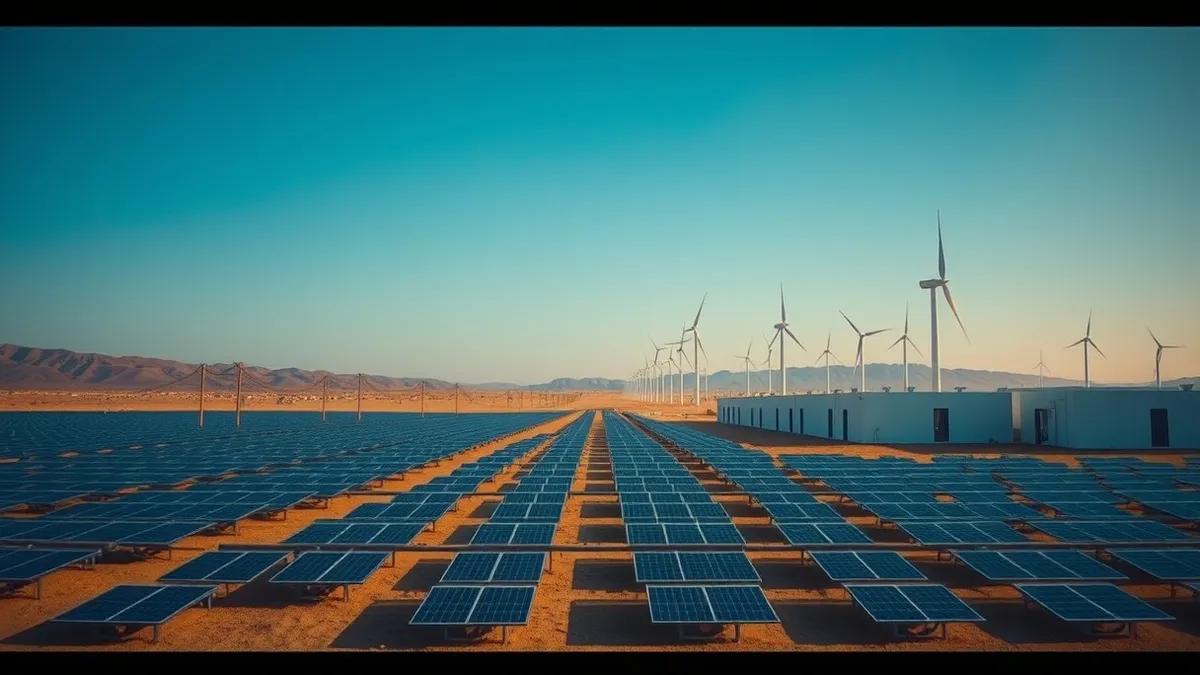
The primary beneficiaries of this infrastructure expansion are the domestic artificial intelligence sector and regional renewable energy producers. According to the report, areas with significant wind and solar capacity, such as the arid province of Gansu, are central to this strategy. These regions currently face challenges with energy curtailment, where generated power cannot be transmitted due to grid constraints. By upgrading transmission capabilities, the plan aims to utilize this previously discarded energy for data center operations and computing tasks.
System administrators and energy operators in these regions may see changes in power availability and demand patterns. The redirection of energy from traditional waste to industrial use requires significant grid modernization. This shift impacts how renewable resources are managed and distributed across the national network. The integration of AI workloads into the energy grid creates new dependencies between digital infrastructure and power supply stability.
What happens next
The implementation of this grid buildout will span decades, extending through 2049. This long-term timeline allows for gradual integration of new computing facilities with renewable energy sources. The success of the initiative depends on the ability to manage the intermittency of wind and solar power for consistent AI operations. Monitoring the progress of these infrastructure upgrades will be essential for understanding the evolving relationship between energy policy and technological development in the region.
What to do and how to stay safe: China
- Monitor regional energy policy changes that may impact power availability for data center operations.
- Evaluate infrastructure resilience plans to account for potential shifts in local energy grid priorities.
- Assess vendor contracts for clauses related to energy supply continuity and geographic risk factors.
- Review disaster recovery procedures to ensure they account for infrastructure-level disruptions in key regions.
Step-by-step guide: Injection attacks examples: how prompt leaks break AI systems
General security guidance from the Circuit Observer newsroom. It is not confirmed advice from the organisations named in this story.
Frequently asked questions
What is the total cost of the grid expansion plan?
The plan involves a $3.9 trillion investment in grid infrastructure through the year 2049.
How much renewable energy was wasted in 2026?
Approximately 9% of renewable energy output was wasted in 2026 according to the report.
Which region is highlighted as an example of this energy surplus?
The arid province of Gansu is cited as an example of an area with significant renewable energy capacity.